
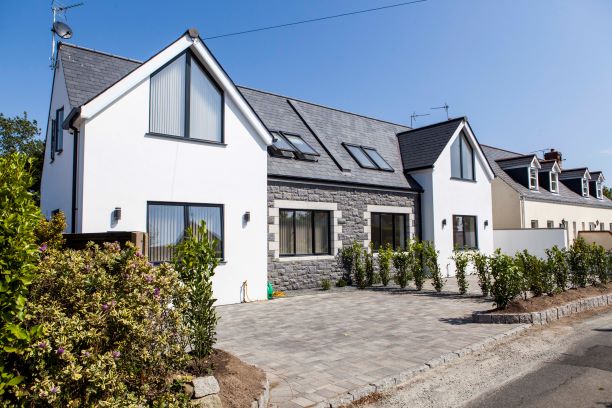
If you're planning to build a new home, develop a small site or carry out a minor development, there is some good news.
From 6 August 2026, new Government changes to Biodiversity Net Gain (BNG) will make it easier and more affordable to develop many small sites.
These changes are designed to reduce costs for smaller developments while still protecting important wildlife and habitats.
Biodiversity Net Gain is a planning requirement that aims to make sure new developments leave nature in a better condition than it was before work started.
Since 2024, most developments have had to show they would increase biodiversity by at least 10%.
This could be done by creating new habitats on the site, such as planting trees, hedgerows or wildflower areas. If there wasn't enough room, developers often had to buy biodiversity units from land elsewhere or purchase Government biodiversity credits.
While this works well on larger developments, it has caused problems for many smaller sites.
Imagine you're building a single house on a small plot.
There may not be enough space to create new habitats without reducing the size of the house, garden or parking. In many cases, the only option was to pay for biodiversity improvements somewhere else.
For some small developments, these extra costs ran into thousands or even tens of thousands of pounds.
That made some perfectly good projects too expensive to build.
The biggest change is that developments on sites of 0.2 hectares (2,000 square metres) or less will no longer need to provide Biodiversity Net Gain, as long as they are not affecting important priority habitats.
This means many small developments could avoid:
For many homeowners and small developers, this will save both time and money.
The Government recognises that the previous rules often affected small developments much more than large ones.
The environmental benefits of requiring Biodiversity Net Gain on a single house or small infill site were sometimes very limited, while the costs could be significant.
The new rules aim to make the system fairer by focusing Biodiversity Net Gain requirements on developments where they can make the biggest difference.
No.
Developments that affect priority habitats, such as important areas for wildlife, will still need to meet Biodiversity Net Gain requirements.
Larger housing developments and commercial schemes will also continue to provide at least a 10% improvement in biodiversity.
The aim is simply to remove unnecessary costs from smaller projects while continuing to protect the country's most valuable habitats.
If you're planning a small development, these changes could mean:
This is particularly welcome news for people building a single home, developing a small brownfield site or carrying out a modest residential scheme.
The changes coming into effect on 6 August 2026 are a positive step for small developments.
They recognise that while protecting nature is important, the same rules shouldn't place an unfair financial burden on small projects.
By removing Biodiversity Net Gain requirements from many small sites, the Government hopes to encourage the delivery of more homes, support smaller developers and reduce planning costs, while still protecting England's most important wildlife habitats.
If you're unsure whether your project qualifies for the new exemption, it's worth speaking to an architectural designer or planning consultant early in the design process. They can help you understand how the new rules apply to your site and ensure your planning application is prepared correctly.